Stewardship and Safety in Jesus Christ
Jesus Christ taught us to love one another (John 13:34-35) and to care for our bodies as they are temples (1 Corinthians 6:19-20). As stewards of our physical and spiritual well-being, we have a responsibility to ensure safety in all aspects of our lives. This course explores the principles of safety from both spiritual and physical perspectives, emphasizing the importance of ethical decision-making and risk management.
The course is divided up into five modules:
Module 1: Spiritual Safety and Ethics
Module 2: Understanding Harm and Risk
Module 3: Systematic Hazards Analysis
Module 4: Critical Process Safety Information
Module 5: Safeguards & Regulations
Course Materials
Learning Suite,
Please be patient, Learning Suite will be updated throughout the semester
This Course GitHub Website,
Please be patient, this website will be updated throughout the semester
Foundations of Spiritual and Physical Safety: with Chemical Processes by Clint Guymon
Other helpful texts:
The Book of Mormon
The Bible
Chemical Process Safety by Daniel Crowl and Joseph Louvar
What Went Wrong? Case Histories of Process Plant Disasters and How They Could Have Been Avoided by T. Kletz
Work Expectations
Lectures (3x’s per week),
Quizzes (In class, 3x’s per week based on the reading material),
Classwork (In class, 0-2x’s per week),
Reading material (prior to each class,)
Homework (3x per week),
Mid-term Exams (2-3),
Final Exam
Projects
Book review,
Safety and Ethics Evaluation (analysis, team writeup, and presentation)
AI Use
You are encouraged to use AI to help you learn. You are discouraged from using it to do your work for you. (You climb the mountain to get the experience and views, not have AI give you the views without work.) As such, use AI as a tutor but don’t ask it for the answer key. Write your own drafts and have AI help you rewrite those drafts to improve them. You are responsible for your own learning. We’ll talk more about AI as a tool AI Tools in Safety.
Class Organizations
Class Groups
Project Groups
Course Grades
Quizzes
5 lowest scores dropped
Classwork
Homework
Exams
Midterms
Final
Projects
Book Review
Safety or Ethics Evaluation
Chemical Engineering Career Outlook
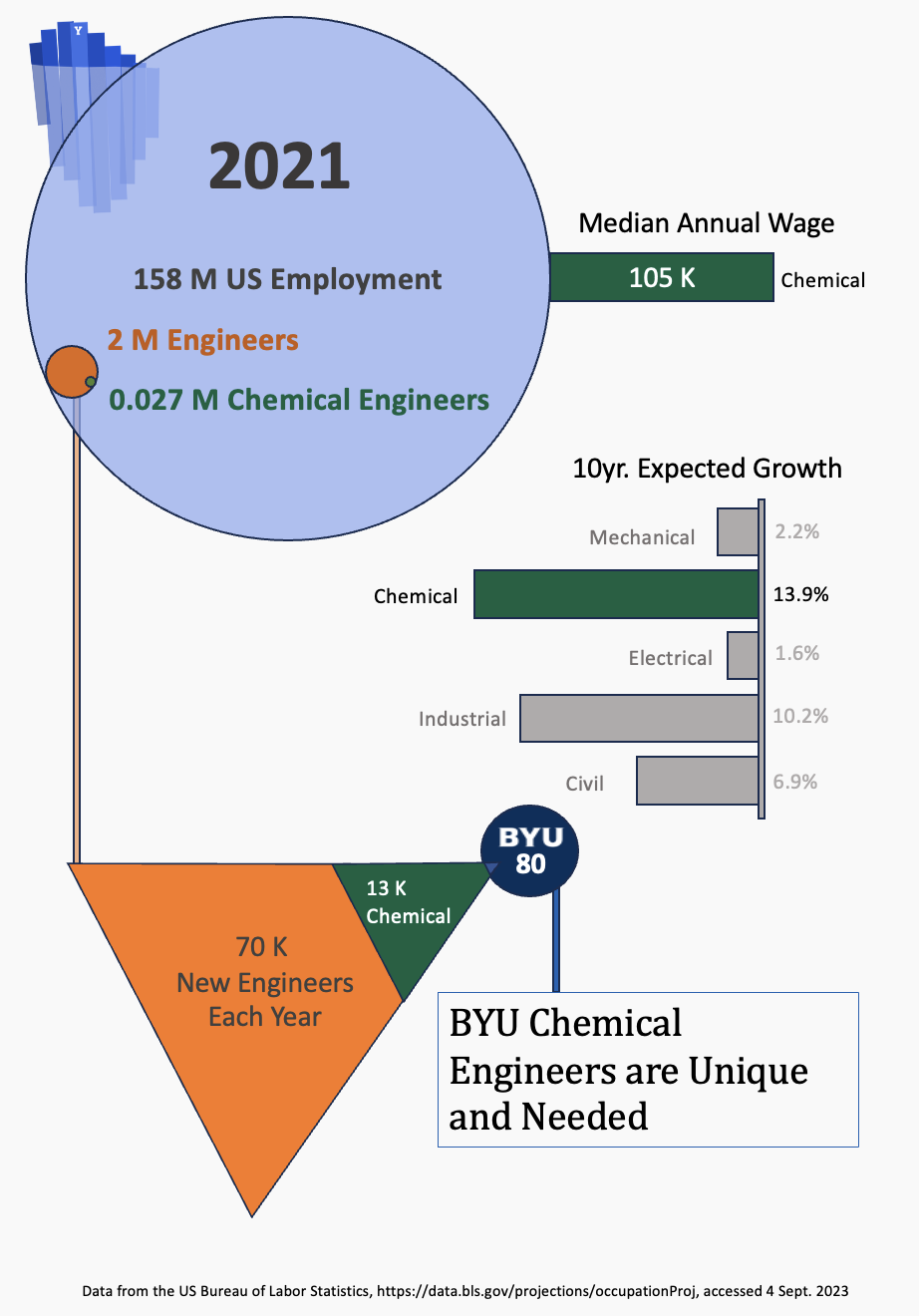
Figure 1:Chemical engineering has a strong career outlook.
Hopefully from the above you can see that BYU chemical engineers are unique and in demand. The skills you will learn in this class will help you to be successful in your career.
Current Worldwide Problems in Engineering
Chemical Engineers are poised to help in each of these areas:
Energy
Worldwide
energy demands are growingWe need to use fossil fuels more efficiently and capture more of the biproducts
Fry, Memmott, Baxter, Rappleye, Wheeler, and Lignell
Chemical Production
We can continue to
improve chemical productionprocessesArgyle, Hedengren, Knotts, Nickerson, Seo, Tree, Wilding
Health
We need to
improvehealth care delivery and careBundy, Pitt, and Lewis
Water
We need to improve water treatment, distribution, and conservation.
Transportation - How do we better move people and goods around the world?
Environment - How do we efficiently continue improving our environment?
Plastics production and waste handling and reuse needs improvement.
Security - How do we continue to adapt and peacefully protect people from threats?
Exploration, Food, and more...
You are the engineers that will work to improve societies’ and individuals’ quality of life around the world. Importantly, you can also help gather Israel and prepare the world for the second coming of Jesus Christ.
- Guymon, C. (2025). Foundations of Spiritual and Physical Safety: with Chemical Processes.